


































When a college football program issues a jersey number to a rising star, it rarely triggers a legal battle. But in the modern landscape of college athletics, legacy is no longer just about memories and statues—it’s about business, leverage, and Name, Image, and Likeness (NIL).
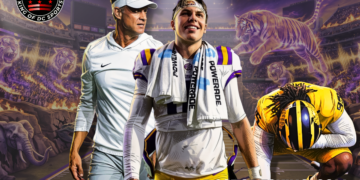
In August 2026, former LSU quarterback and 2023 Heisman Trophy winner Jayden Daniels made headlines not for his play with the Washington Commanders, but for sending a formal cease-and-desist letter to his alma mater. The demand was that LSU immediately stop using his NIL. On the surface, this stems from a dispute over a jersey number. Dig a little deeper, however, and you’ll find a captivating case study in how modern athletes view their legacy status, the promises made in high-stakes recruiting, and the unprecedented power former players now hold over the universities they once represented.
How Did We Get Here? The Catalyst in Baton Rouge
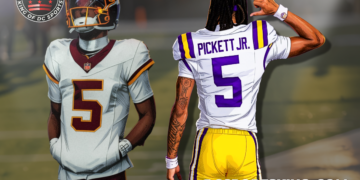
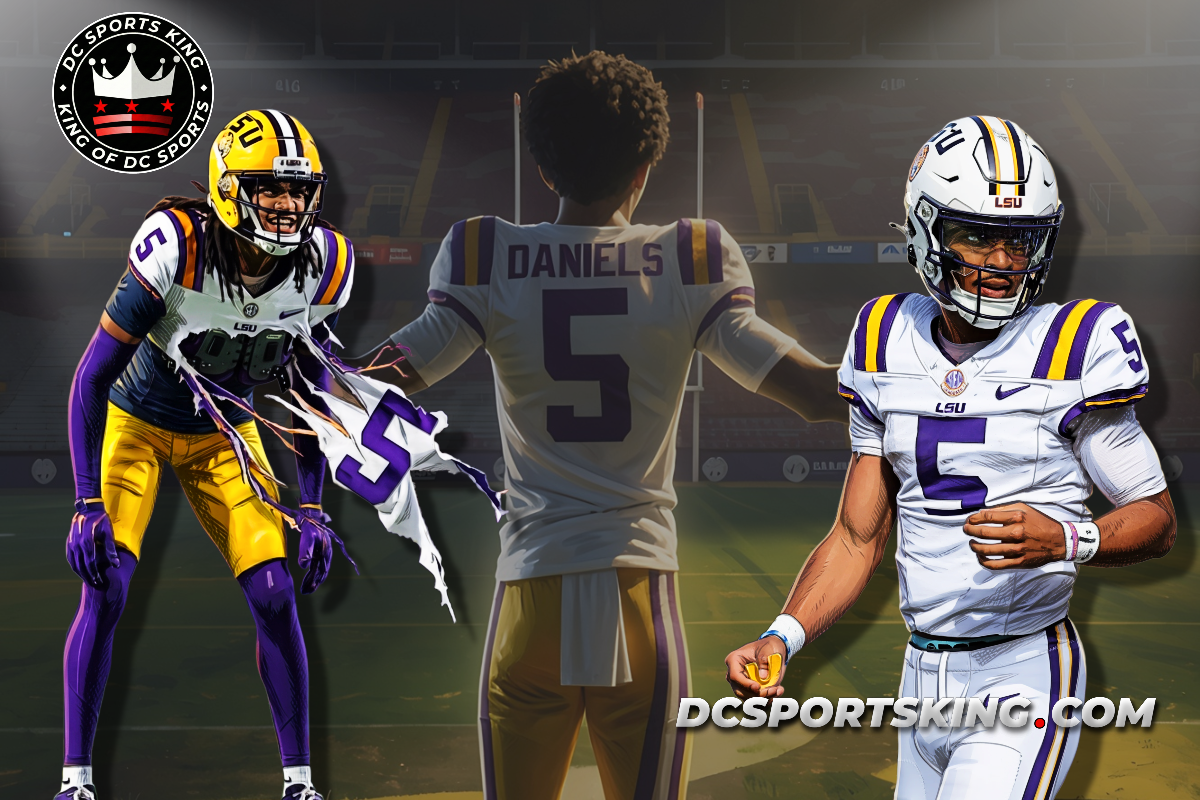
The drama began when LSU allowed sophomore cornerback D.J. Pickett to swap his No. 3 jersey for No. 5 heading into the 2026 season. For LSU fans, No. 5 is synonymous with Daniels, who put together one of the most statistically spectacular, Heisman-winning seasons in college football history.
Behind the scenes, the timeline of events reveals a clash between past and present priorities. When Pickett, a former five-star recruit, was originally being courted by Baton Rouge under former head coach Brian Kelly, he was promised the No. 5 jersey. However, Kelly, who was fired in October 2025, later admitted he had held off on issuing the number to Pickett because Daniels had firmly objected. Kelly reportedly felt it shouldn’t be issued until the program secured another Heisman winner.
The situation shifted dramatically with the arrival of new LSU head coach Lane Kiffin. Prioritizing the current roster and recruiting integrity, Kiffin stated that he had researched the situation and decided to honor the commitment he had originally made to Pickett to get him to sign. Consequently, Pickett debuted the No. 5 jersey in fall camp, prompting Daniels’ legal team to fire off a cease-and-desist letter to LSU Athletic Director Verge Ausberry on August 5, 2026.
The Joe Burrow Precedent
A major piece of this puzzle revolves around perceived double standards. Daniels’ camp was quick to point out how LSU has handled the legacy of its other recent Heisman-winning quarterback: Joe Burrow. Since Burrow led the Tigers to the 2019 National Championship, his iconic No. 9 jersey has not been reissued to another player.
Reports indicate that Daniels feels he is being treated differently than Burrow. While Burrow captured both a Heisman and a National Title with an undefeated squad, Daniels’ camp argues his own Heisman-winning season and extraordinary contributions cemented a legacy that deserves identical protection. When LSU failed to protect the number, the Daniels family felt deeply disappointed and profoundly disrespected by the administration’s decision.
Why This is Bigger Than a Piece of Fabric
To dismiss this as simply a player being overly attached to a jersey number is to miss the fundamental shift in the player-university relationship. This is a landmark moment in the NIL era. Before NIL, if a former player was upset with their alma mater, their only recourse was to withhold donations, skip alum events, or complain to the media. Today, athletes sign specific NIL agreements with their schools. Daniels’ original contract granted LSU the right to use his likeness for 180 days after his final game. By aggressively asserting his rights and threatening legal action, Daniels is using his personal brand as a weapon to demand institutional respect, leveraging NIL as unprecedented legal leverage.
Furthermore, universities heavily monetize the highlights, imagery, and achievements of their legendary players long after they go pro. Daniels is signaling that this post-graduation marketing relationship is conditional, effectively treating athletes as business partners rather than just nostalgic alums. If the university does not hold up its end of the bargain regarding respect and legacy, the athlete will sever the university’s ability to profit off their name.
This situation also highlights a massive tension point for modern head coaches, illustrating the clash between modern recruiting and historical legacy. To survive in today’s hyper-competitive transfer portal landscape, coaches must make massive promises to high schoolers, like guaranteeing a specific jersey number. Fulfilling those promises to teenagers, however, can now trigger legal threats from powerful, wealthy NFL alums who feel their legacy is being erased.
The Bottom Line
Jayden Daniels cannot legally force D.J. Pickett to take off the No. 5 jersey. However, by revoking LSU’s right to use his likeness in promotional materials, highlight reels, and campus branding, he has established a new playbook for former college athletes. The NIL era gave college athletes the right to get paid. The Jayden Daniels versus LSU dispute proves that it also gave them the power to fight back when they feel their standing is being overwritten.