

































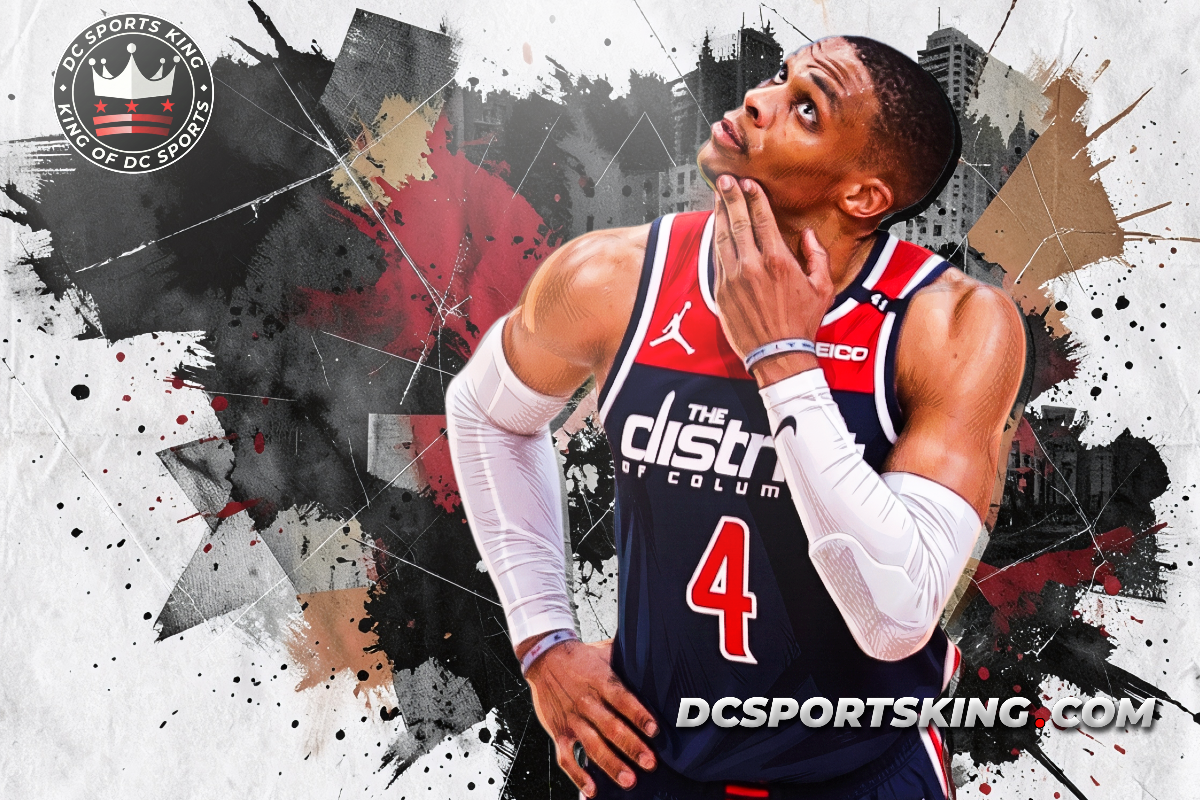
When a player like Russell Westbrook leaves the game, you almost expect it to involve a grand final tour or a fiery final chapter. Instead, on August 12, 2026, the 37-year-old guard posted a quiet, reflective message on social media announcing his retirement.
“Sometimes you don’t even know when you’ve already watched the end,” Westbrook wrote. “You had to be there. And now it’s over.”
But what makes Westbrook’s departure truly fascinating isn’t just that he retired—it’s how he did it. Unlike many aging stars who are forced out of the league when the phone stops ringing, Westbrook still had multiple NBA offers on the table. He just refused to compromise on who he is as a player.
The Two-Year Offer from Washington
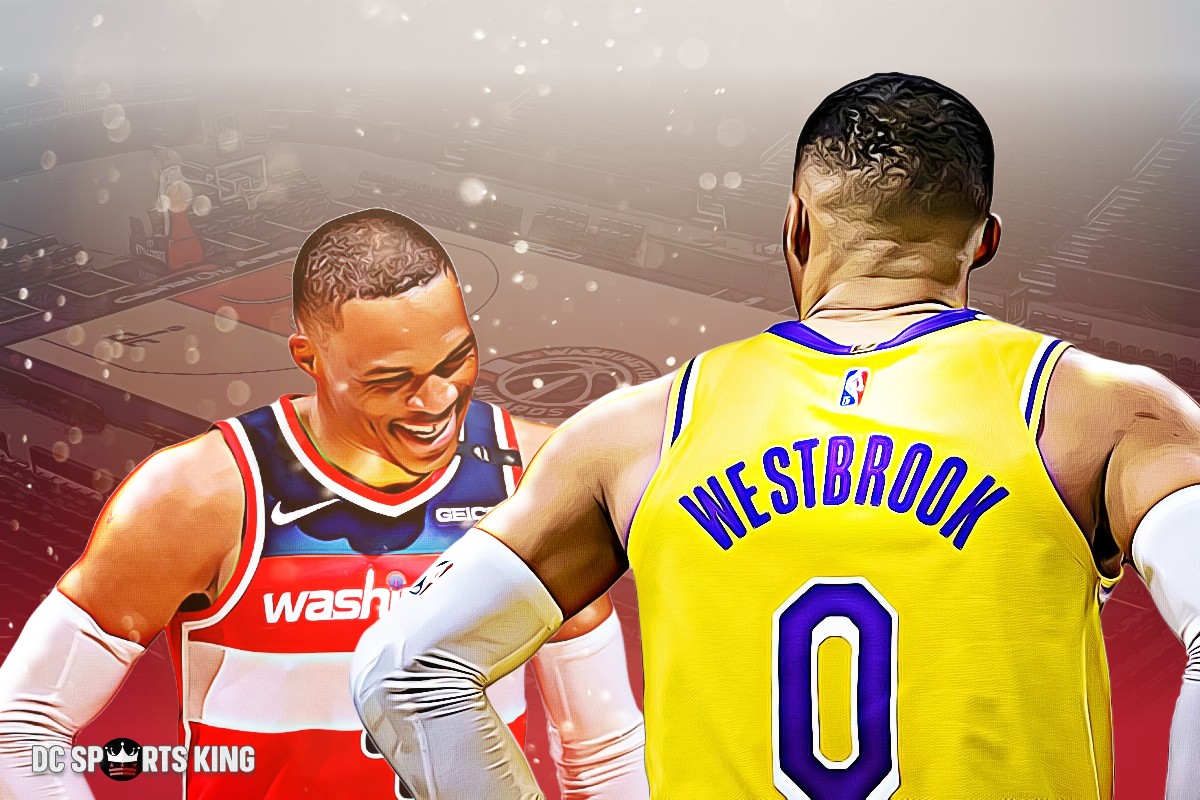
According to NBA insider Marc Stein, the Washington Wizards — where Westbrook played a phenomenal 2020-21 season — approached the future Hall of Famer with a two-year contract offer to bring him back to the nation’s capital.
For a 37-year-old player entering his 19th season, a multi-year guaranteed deal is a rare and highly coveted asset. However, the talks didn’t stall because the Wizards got cold feet. Westbrook himself walked away from the negotiating table.
Stein reported that Westbrook balked at the deal’s specific terms and the court role the franchise envisioned for him. Westbrook is a player who has always operated at one speed: 100 miles per hour. The idea of settling into a heavily reduced, mentorship-heavy role on a rebuilding squad didn’t coincide with his fiercely competitive DNA.
Sacramento’s Pitch Met a Similar Fate
The Wizards weren’t the only team trying to secure Westbrook’s services. The Sacramento Kings, where Westbrook spent his final season starting 58 games and averaging a respectable 15.2 points, 6.7 assists, and 5.4 rebounds, also explored a reunion.
The Kings wanted Westbrook back, but with a major catch: they wanted him to take a backseat and mentor their lottery pick, rookie point guard Darius Acuff Jr. For a player who was the primary engine of every offense he commanded for over a decade, backing up a rookie was a bridge too far.
Going Out on His Own Terms
It’s incredibly fitting that the all-time triple-double king (209 career triple-doubles) is bowing out like this. Westbrook finishes his 18-season career with 27,176 points (14th all-time) and 10,351 assists (5th all-time), an MVP trophy, and nine All-Star appearances.
Rather than clinging to a roster spot, playing 10 minutes a night, and watching from the bench as the next generation takes over, Westbrook looked at the offers, looked at his legacy, and chose his own exit.
He didn’t retire because he had to. He retired because he refused to be anything less than Russell Westbrook.