







































The D.C. sports landscape is undergoing a massive transformation, and Buzzard Point is officially next in line.
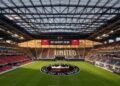
D.C. Council Chairman Phil Mendelson has introduced landmark legislation titled the Soccer Stadium Redevelopment and Maintenance Act, unveiling an ambitious $620 million public-private partnership with D.C. United. The sprawling plan is designed to future-proof Audi Field by adding a climate-controlled roof, expanding seating capacity, and accelerating neighborhood development along the Anacostia waterfront.
How the $620M Partnership Breaks Down
The proposed modernization carries an estimated nine-figure price tag, split roughly down the middle between public investment and private sports capital:
- District Contribution: $300 million in municipal funds, paid out over a five-year window. According to Chairman Mendelson, the city will front the initial capital, which will then be systematically repaid over time through stadium-generated revenues and economic activity.
- Franchise Investment: $320 million funded directly out of pocket by D.C. United’s ownership group.
Bigger, Cooler, and All-Weather Ready
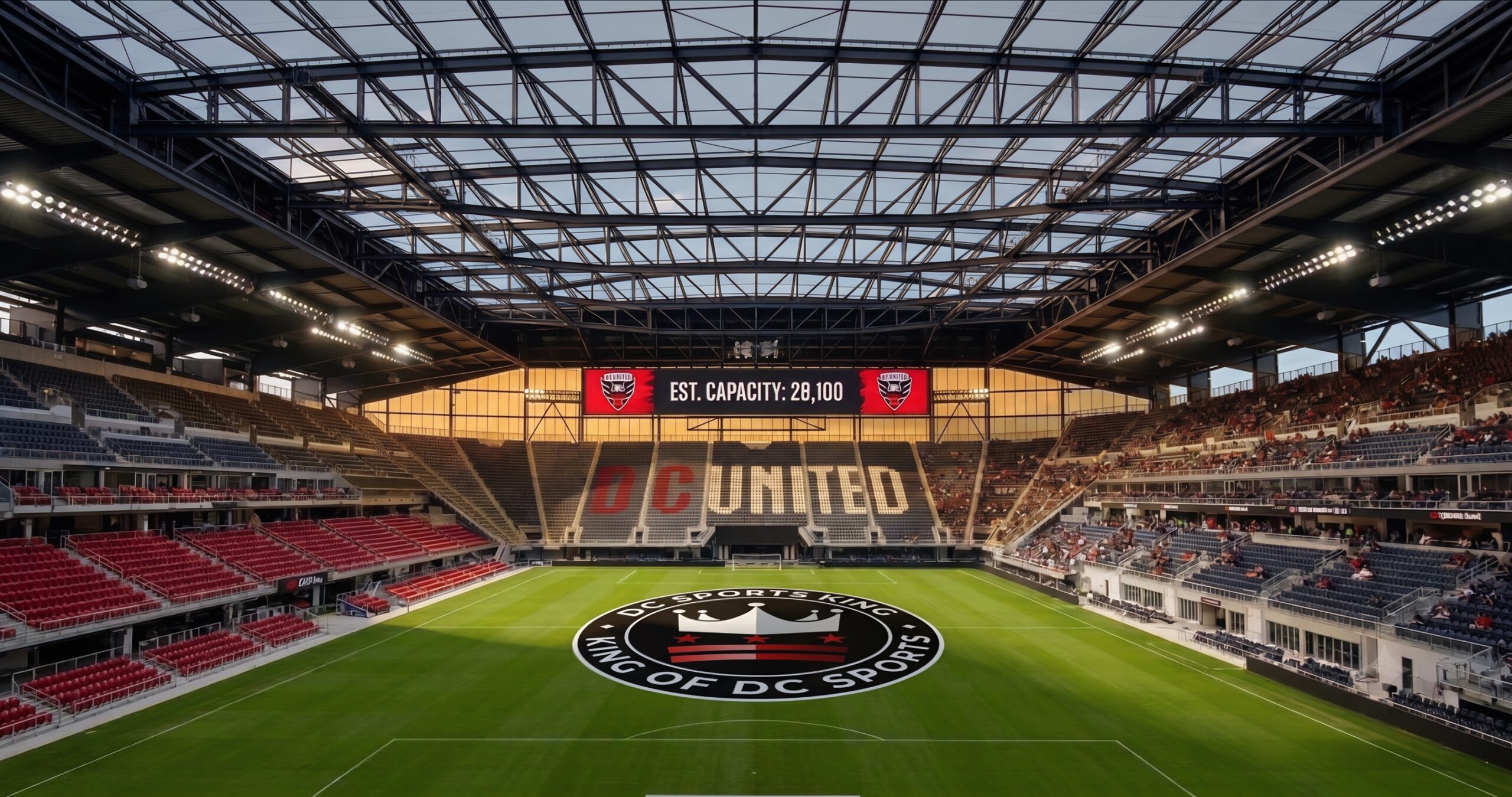
Since opening its doors eight years ago, Audi Field has established itself as one of the most vibrant outdoor atmospheres in the city. However, its current open-air design and 20,000-seat capacity limit its potential. The proposed $620 million blueprint aims to take the fan experience and venue capabilities to the next level through three major structural transformations:
- Expanding Capacity to 28,000 Seats: By adding roughly 8,000 new seats, the stadium will immediately accommodate the surging ticket demand for high-stakes D.C. United matches, Washington Spirit NWSL fixtures, and rowdy DC Defenders spring football games, while making the venue a prime candidate for international friendlies.
- Installing a Climate-Controlled Roof: Transitioning from an open-air facility with minimal shade to an enclosed, all-weather canopy will completely shield fans and athletes from the elements. This upgrade eliminates the threat of winter rainouts and freezing winds while providing much-needed relief from the brutal D.C. summer heat.
- Unlocking 365-Day Event Programming: Right now, Audi Field operates as a seasonal venue from spring through fall. Enclosing and climate-controlling the structure transforms Buzzard Point into a year-round destination capable of hosting winter arena concerts, conventions, and off-season sports that are currently impossible to schedule.
- Integrating Community Real Estate: Unlike the original stadium construction, which focused strictly on the sports footprint, this proposal mandates neighborhood growth. D.C. United would be required to build 467 housing units—with dedicated allocations for affordable and senior housing—alongside at least 1 acre of new, publicly accessible green space along the waterfront.
Why a Roof? The Strategic Push Behind the Canopy
Adding an all-weather canopy and climate-controlled roof structure isn’t just about fan comfort—it’s a calculated business move driven by two major operational realities:
1. Future-Proofing for the MLS Calendar Shift
Major League Soccer is actively transitioning its global calendar toward a February-to-May schedule. Playing regular-season matches in the nation’s capital during the dead of winter and early spring requires an enclosed, weather-mitigated environment to keep the pitch playable and the stands full.
2. Unlocking 365-Day Event Programming
Without a roof, Audi Field sits largely dormant during the coldest months of the year. Enclosing the facility transforms it into a true year-round entertainment hub. Proponents project the upgrades will attract more than 100 additional events annually—ranging from winter arena tours and conventions to international friendlies that were previously unfeasible due to weather risks.
What Comes Next for the Bill?
With the legislation introduced just before the D.C. Council’s summer recess, lawmakers are taking their time to scrutinize the financials. Several council members have indicated they will withhold judgment until they can thoroughly review the mechanics of the revenue-repayment framework.
Chairman Mendelson expects a full public hearing on the proposal this fall, where neighborhood stakeholders, team executives, and city officials will debate the blueprint.
If passed, the Audi Field roof expansion will cement a historic wave of sports infrastructure spending across the District—joining the $1.1 billion public commitment for the Commanders’ new stadium at the RFK site, the $515 million modernization of Capital One Arena, and the ongoing $350 million infrastructure upgrades at Nationals Park.