





































The timeline has been buzzing ever since the Washington Wizards locked Trae Young into a massive four-year, $212.8 million extension. But in the frenzy of the NBA offseason, a wild rumor has started spreading like wildfire across social media.
The narrative? The Wizards explicitly promised Trae this near-supermax money as a “bribe” to sit out the end of last season, ensuring the team tanked hard enough to secure the No. 1 overall pick.
It’s a juicy storyline for the conspiracy theorists, and it gained massive traction after ESPN insider Brian Windhorst’s recent podcast appearance. But context is everything.
The Conspiracy vs. The Reality
Let’s clear the air and look at the tape. The fire started during Windhorst’s appearance on the Pardon My Take podcast, where he offered this exact quote regarding the situation:
“Here’s the thing. They already promised [Trae Young] they were going to sign him when they traded for him. And the reason that they did that was because they needed him to not play. If he had played, they might have won a bunch more games and they might not have got the #1 pick. And if you’re a free agent, the last thing you’re going to do is basically say you’re injured for six months. So, they told him, we’re going to take care of you. Trae already knew he was going to get paid.”
When you read the full quote, it’s easy to see why fans jumped to the “tanking bribe” conclusion. However, in the broader context of his NBA coverage—including his previous statements that the deal is “instantaneously one of the worst contracts in the league” and would require attaching a No. 1 pick to trade—Windy is pointing out a harsh reality of modern roster management, not a malicious conspiracy.
The front office didn’t pay Trae just to tank; they paid him because that was the cost of doing business to get him to buy into a long-term rebuild plan that involved sitting out while dealing with injuries.
Why the Wizards Actually Made the Deal
If it wasn’t just a tanking bribe, why did the front office back up the Brink’s truck for a defensively challenged guard that the Hawks essentially salary-dumped months prior?
- The Anti-Tanking Reality: With the NBA’s new anti-tanking measures compelling front offices to stay competitive, the Wizards knew Young would command near-max offers from desperate teams in free agency. D.C. couldn’t afford to lose an asset for nothing.
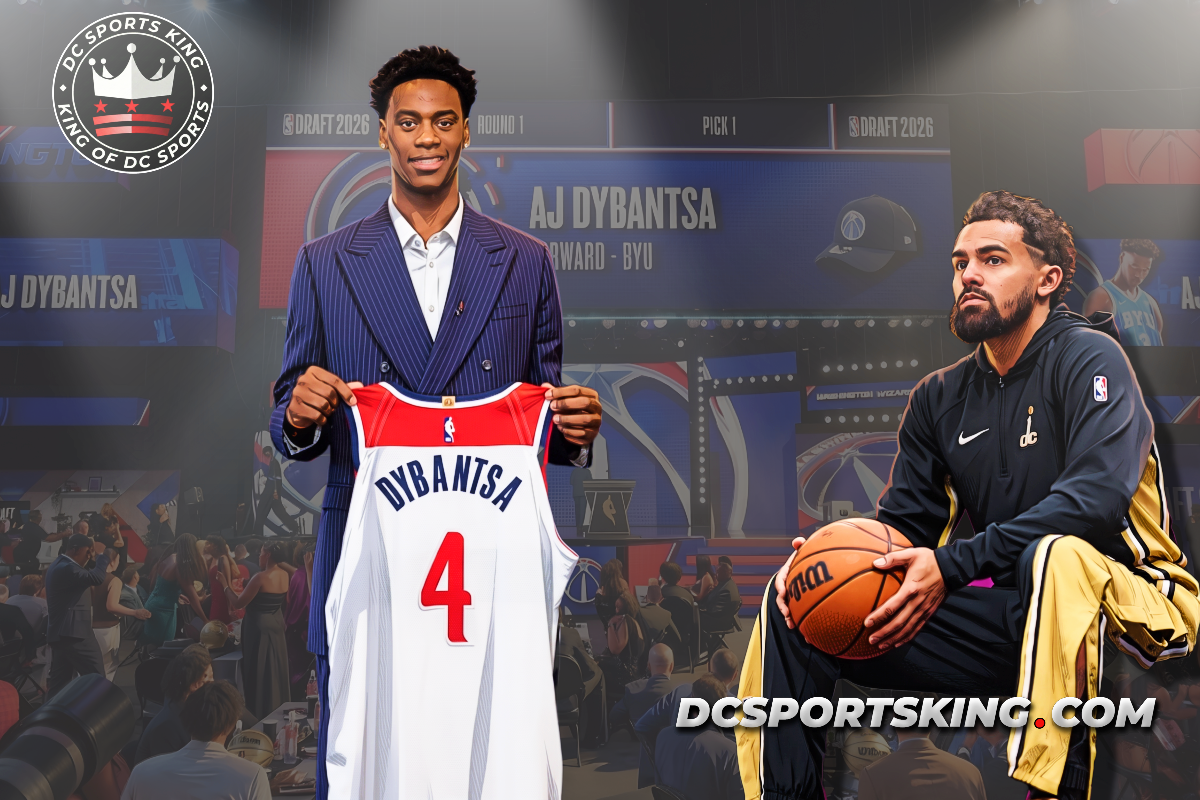
- Offensive Engine for the Youth: You can critique Trae’s defense, but he is one of the few players in NBA history capable of sleepwalking into 20 points and 10 assists. The Wizards need a high-level distributor to feed Kyshawn George, Alex Sarr, and our new No. 1 overall pick, AJ Dybantsa.
- Reaching the Salary Floor: The Wizards have an incredibly young roster on rookie-scale deals. The money had to go somewhere to reach the league-mandated salary floor. Why not spend it on a 27-year-old, four-time All-Star who wanted to be in Washington?
The Verdict for D.C.
There is no denying that giving Trae Young a $212.8 million deal with a 7.5% trade kicker is a massive gamble. The contract might very well be untradeable right now.
But this wasn’t a backroom handshake deal solely to orchestrate a tank. It was a calculated (and expensive) bet by the front office that surrounding a premier playmaker with elite size, length, and the upside of a No. 1 pick is the fastest way to pull Washington out of the Eastern Conference basement.
Now, the pressure is on Trae to prove the critics wrong.