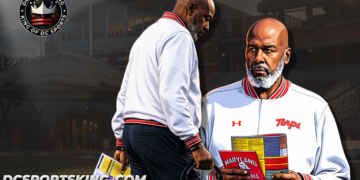






































The Maryland Terrapins fanbase finally got exactly what it had been screaming for over the last two years: Mike Locksley is out. After back-to-back 4-8 campaigns and a dismal 2-5 start to the 2026 season, the university cut ties with its head coach on October 21.
You would think a mid-season coaching change—handing the reins to interim coach Aazaar Abdul-Rahim—would inject a shot of renewed energy into College Park. You would be wrong.
For Saturday’s noon kickoff against Illinois, the university rolled out an act of utter desperation to get students into SECU Stadium: a raffle for free Spring 2027 in-state tuition. The catch? Students had to scan their ticket, enter via a QR code at halftime, and actually stay in their seats through the fourth-quarter drawing.
Even with thousands of dollars on the line, the turnout was embarrassingly bad.
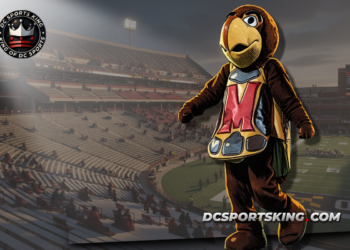
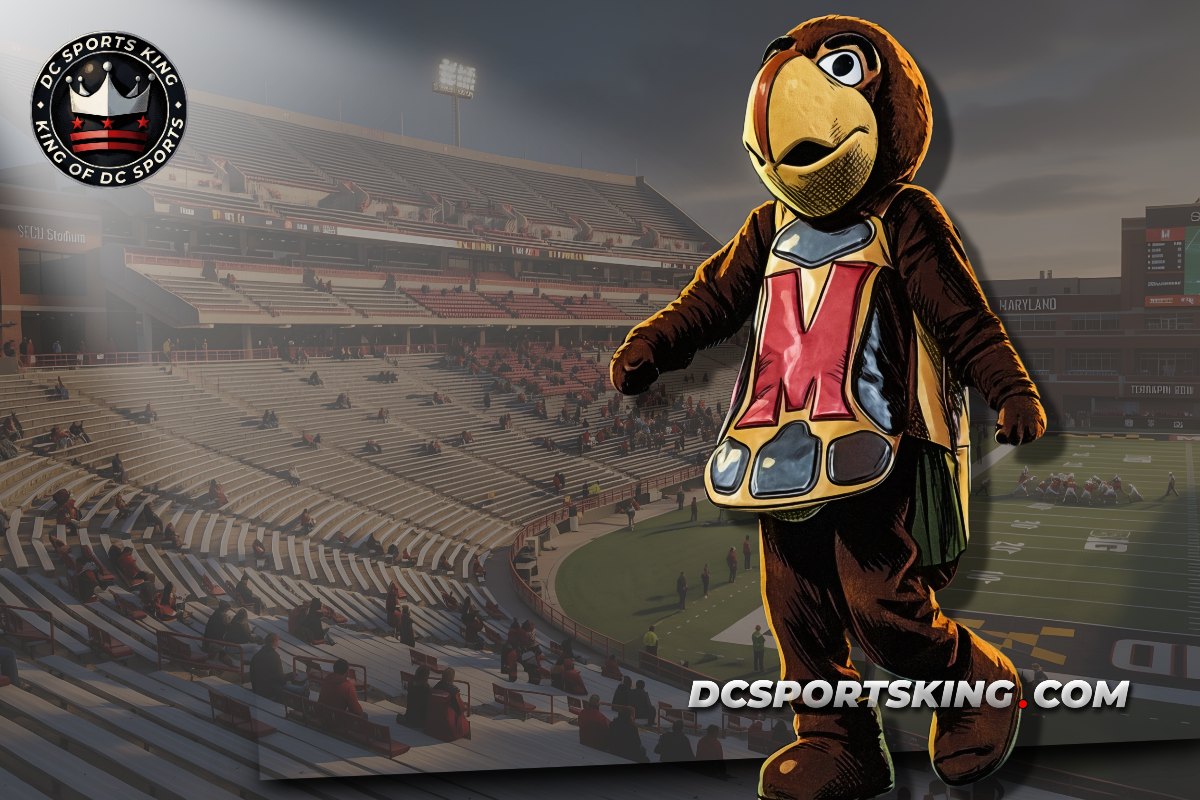
While the official box score announced an attendance of 27,207 in the 46,000-seat venue, the visuals told a much bleaker story. Photos from kickoff and beyond showed a sea of empty red seats, making a Big Ten matchup look more like a sparsely attended Tuesday night Group of Five game. The student section was a ghost town, proving that a fanbase begging for a coaching change still won’t show up to support the team once it gets its wish. To add insult to injury, the few who did stick around for the tuition raffle watched the Terps lose 20-17 on an Illinois field goal as time expired.
So, where does Maryland go from here? Free tuition raffles and t-shirt cannons aren’t going to fix a fundamentally broken culture. If the Terrapins want to breathe life back into this program, a few major foundational shifts have to happen.
Hire an X’s and O’s Architect, Not Just a Recruiter
Mike Locksley’s calling card was his ability to recruit the rich talent pool of the DMV, but acquiring talent and developing it are two different skill sets. Maryland needs a head coach whose identity is built on structural discipline, clock management, and player progression. The next regime has to out-coach the middle tier of the Big Ten, not just out-pitch them in living rooms.
Stop Relying on Gimmicks
When a Power Four program has to literally bribe its student body with free college to sit through four quarters of football, the brand is in crisis. The energy will return to SECU Stadium when the product on the field is resilient and competitive. Fans don’t want to be tricked into attending; they want to watch a team that fights for 60 minutes and protects its home turf.
Maximize the New Reality of College Football
Winning in 2026 requires an aggressive, highly organized approach to Name, Image, and Likeness (NIL) and the transfer portal. Maryland sits in one of the country’s wealthiest metropolitan areas. The athletic department and its boosters need to align their budget strategy to build a competitive NIL war chest, specifically targeting veteran offensive and defensive linemen in the portal who can immediately survive the physical gauntlet of Big Ten play.
Win the Games You Are Supposed to Win
Maryland’s biggest issue over the last decade has been its inability to capitalize on momentum. They have consistently stumbled in front of their biggest crowds, historically losing the highest-attended games at SECU Stadium. The fans have been conditioned to expect heartbreak. The only way to reverse that apathy is by building a consistent floor. Stop losing games as home favorites, stop looking disorganized coming out of the locker room, and start giving the students a football reason to stay in the stands.