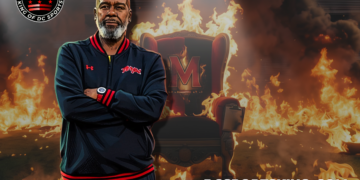










































Firing a coordinator to save your own skin is the oldest survival tactic in college football. But for Mike Locksley, the timeline between pointing the finger and packing his office set a brutal new standard in College Park.
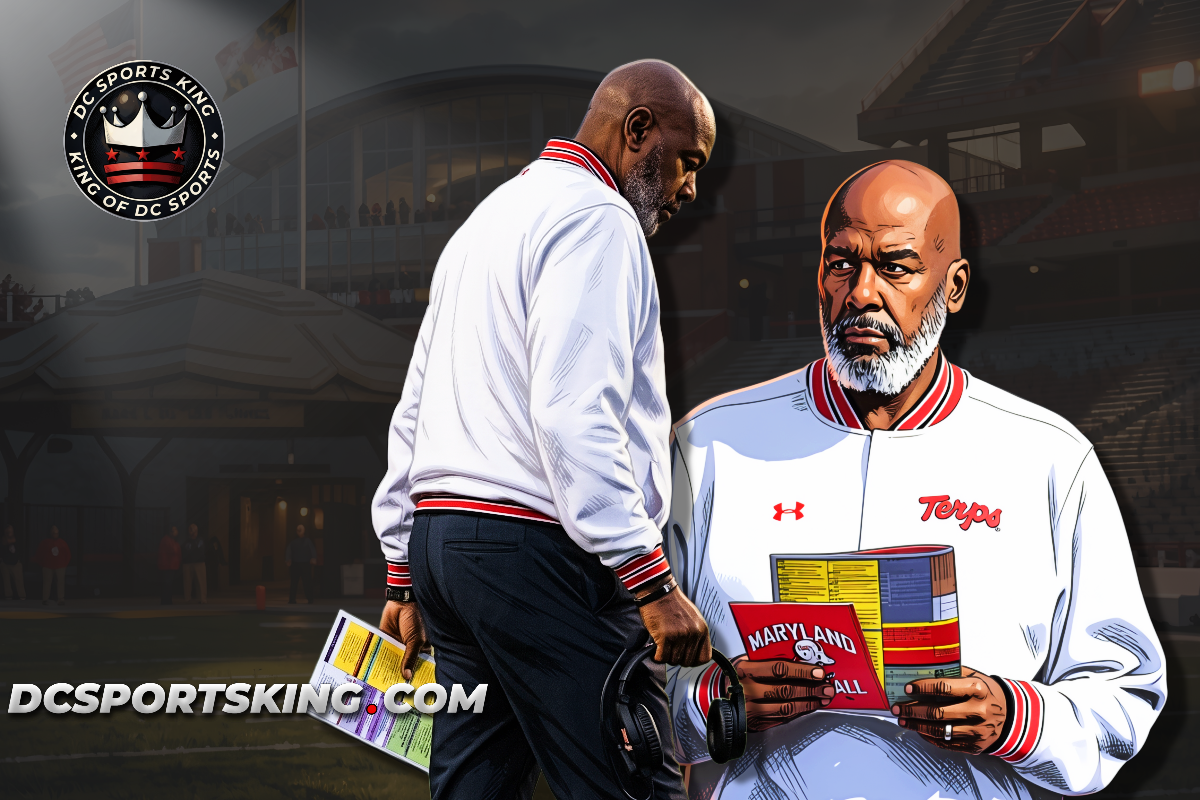
On Sunday, Locksley dismissed defensive coordinator Ted Monachino, stating, “As I evaluate our program, I believe this change is necessary.” By Wednesday morning of the bye week, Athletic Director Jim Smith applied the exact same evaluation to Locksley, ending his eight-season tenure as head coach.
The 72-hour gap between sacrificing an assistant and facing the guillotine yourself reveals a program that finally realized its issues went far beyond one side of the ball. It was a desperation move that simply highlighted the sheer dysfunction at the top, leaving interim head coach Aazaar Abdul-Rahim to pick up the pieces of a fractured locker room.
The Big Ten Abyss
The breaking point wasn’t just losing; it was the overwhelming, unavoidable weight of the defeats. Dropping a 37-30 homecoming heartbreaker to Rutgers after holding a 10-point halftime lead stripped away any remaining optimism. The Terrapins are now 2-5 overall and 0-4 in Big Ten play this season.
More damning, however, is the macro view: Maryland is currently drowning in an active 12-game conference losing streak. Being outscored 92-13 in the second half of conference games this season alone illustrates a complete structural collapse when mid-game adjustments are essential from the head coach down.
Paper Champions: When Recruiting Fails to Translate
Locksley’s tenure will undoubtedly be remembered for its undeniable early off-the-field momentum. He championed the local movement, convincing highly touted DMV prospects to stay home rather than defect to SEC or Big Ten blue bloods. He stacked recruiting classes that looked formidable on paper, generating genuine buzz and raising the talent floor.
But assembling talent and developing a cohesive, winning football team are two entirely different disciplines. Outside of the Taulia Tagovailoa era, those recruiting victories never translated into Saturday triumphs. The roster routinely featured top-tier athletes who still looked disorganized on the field, weighed down by poor clock management, catastrophic penalties, and a glaring lack of schematic execution. The “recruiting wins” ultimately became a hollow consolation prize for a fanbase watching their team get out-coached week after week.
Back-to-back 4-8 seasons in 2024 and 2025 proved the program’s high-water mark was tied to a generational quarterback erasing mistakes, not a sustainable system. When the elite quarterback play left, the floor completely fell out, and Locksley departs with a 39-54 overall record at Maryland.
A Costly Divorce
For fans across the region, the next hire is critical, but the financial realities are daunting. Maryland is the lowest earner in the Big Ten, estimated to be $50 million to $60 million behind the conference median.
Now, add the massive financial toll of firing Locksley. He was earning $6.4 million this season on a contract that ran through 2028. By pulling the plug now, the school owes him a reported buyout of nearly $10 million. Notably, the contract includes no mitigation or offset obligations, meaning he gets paid regardless of his next move.
The new regime won’t just need to re-recruit the fertile D.C., Maryland, and Virginia corridor; it will need to do so at a massive resource disadvantage against Ohio State, Oregon, and Penn State, all while the athletic department foots an eight-figure exit bill.
Locksley’s final act, firing his defensive play-caller to buy time, merely sped up the inevitable. You can change the coordinator and win the offseason with flashy commitments, but you cannot outrun a 12-game conference losing streak.