































For the first time since the afterglow of 2019 faded into a grueling rebuild, baseball in the nation’s capital is genuinely fun again. As we near June 2026, the Washington Nationals are hovering just over the .500 mark (31-29), firmly in the National League Wild Card mix.
The strategy in Washington has shifted from patience to pure electricity. The new front office, led by President of Baseball Operations, Paul Toboni, has assembled an offensive core that looks less like a traditional baseball lineup and more like a track meet with power. But as any seasoned baseball fan knows, a team can only mash its way out of trouble for so long.
The question looming over Nationals Park is clear: Is this youth-infused offensive juggernaut potent enough to drag a wildly inconsistent, subpar pitching staff into October?
The Anatomy of an Offensive Juggernaut
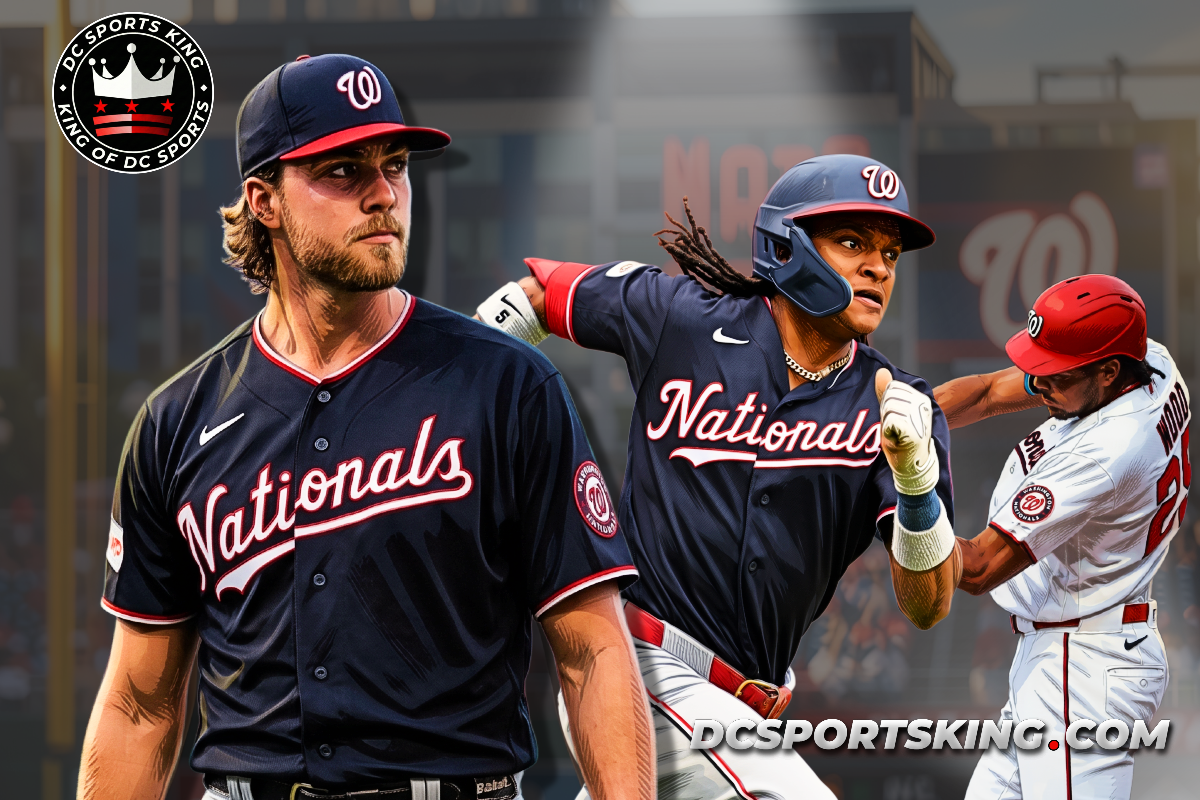
If you like hard-hit balls and stolen bases, this lineup is a fever dream. The farm system has officially matriculated, and the top of the Nationals’ order is a relentless combination of speed, contact, and raw power.
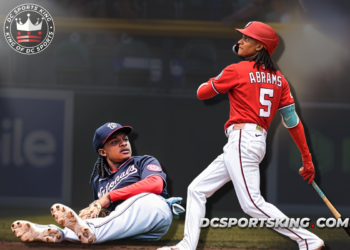
- CJ Abrams: The engine of the offense. Abrams has fully arrived as an elite shortstop, boasting 12 home runs and a stellar .933 OPS by late May while creating chaos on the basepaths.
- James Wood: A physical marvel in the outfield. Wood currently leads the team in long balls (16) with an exceptional .959 OPS, crushing numbers for a “leadoff hitter.”
- Brady House: The third baseman has seamlessly transitioned his minor-league power to the big leagues (7 HRs so far). Once back up from his recent option, House is expected to cement his place in the lineup.
- Dylan Crews & Daylen Lile: Crews continues to adjust to big-league breaking balls but possesses undeniable star power, while Lile has been a sparkplug at the plate, shoring up the middle of the lineup.
- The Supporting Cast: Veterans and contact-first guys like Luis García Jr., Keibert Ruiz, and Curtis Mead give the lineup depth, making sure there are no easy innings for opposing starters.
When this lineup clicks, they don’t just beat teams—they run them out of the building. They force high pitch counts, terrorize catchers, and hit the ball out of any part of the yard.
The Elephant in the Rotation
You can score seven runs a game, but it doesn’t matter if you give up eight. That is the daily tightrope these Nationals walk. While the bats are ready for October, the starting rotation looks like it’s still stuck in the rebuild.
The pitching staff’s early 2026 performance tells a stark tale of a top-heavy rotation struggling to find reliable outs:
| Pitcher | 2026 Role | The Reality |
| Cade Cavalli | Ace | Pitching well (3.62 ERA with 68 Ks) but lacks run support in key spots. |
| Foster Griffin | No. 2 Starter | A pleasant surprise (3.76 ERA in 12 starts) eating valuable innings. |
| Jake Irvin | Mid-Rotation | Struggling with consistency and injuries, sporting an ERA of 5.23 |
| Zack Littell | Innings Eater | Flashes of brilliance (like his 7 IP, 1 ER gem vs. Cleveland) but overall ERA of 5.01. |
| Miles Mikolas | Veteran Presence | Batters are teeing off; ERA of 5.72. |
The bullpen has bright spots—Clayton Beeter and PJ Poulin have solid sub-4.00 ERAs and are locking down late innings—but they are severely overworked. Because the back end of the rotation rarely pitches deep into games, the relief corps is constantly forced into high-leverage situations by the 5th inning.
Entering June 1, the Nationals’ bullpen sports a ballooned 4.52 ERA. Just imagine the pitching outside of Beeter and Poulin. While the Nationals lead the majors with 324 runs scored, the pitching staff has allowed 323 runs — second-most in the league.
The Verdict: Can the Nationals Contend?
Can an offensive juggernaut carry a bad pitching staff to the playoffs? Yes, but with a major caveat.
In the modern MLB landscape of expanded playoffs, a team that can outscore its mistakes can absolutely steal a Wild Card spot. The 2026 Nationals have the exact profile of a team that slips into October as a 6-seed because nobody wants to face Abrams, Wood, and House in a short series. If the lineup stays healthy, they have enough firepower to simply out-slug the current NL Wild Card bubble teams.
Beyond the first round? That’s where the fairy tale hits a wall.
October baseball is inherently different. The weather gets colder, the game slows down, and teams rely on dominant top-of-the-rotation starters to neutralize elite lineups. You cannot win a five- or seven-game series against the Braves or the Dodgers by relying on an overtaxed bullpen and hoping your offense puts up eight runs a night.
The Bottom Line: Washington’s youth movement is undeniably ahead of schedule, and the offense is a legitimate juggernaut. They will play meaningful baseball in September, which is a massive victory for the franchise. But if the front office wants this team to contend beyond a brief playoff cameo, they have until the late-July trade deadline to find at least one more reliable starting pitcher to pair with Cavalli and Griffin.
Until then, fasten your seatbelt. Every Nationals game is going to be a high-pressure shootout.